READY-TO-EAT
Why deli food is flagged
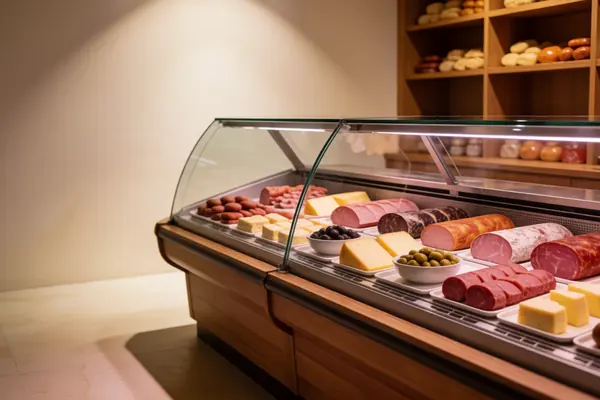
The FSA says listeria is more common in ready-to-eat foods such as deli meats, pâté and pre-prepared sandwiches, and can grow at low temperatures.
Check a food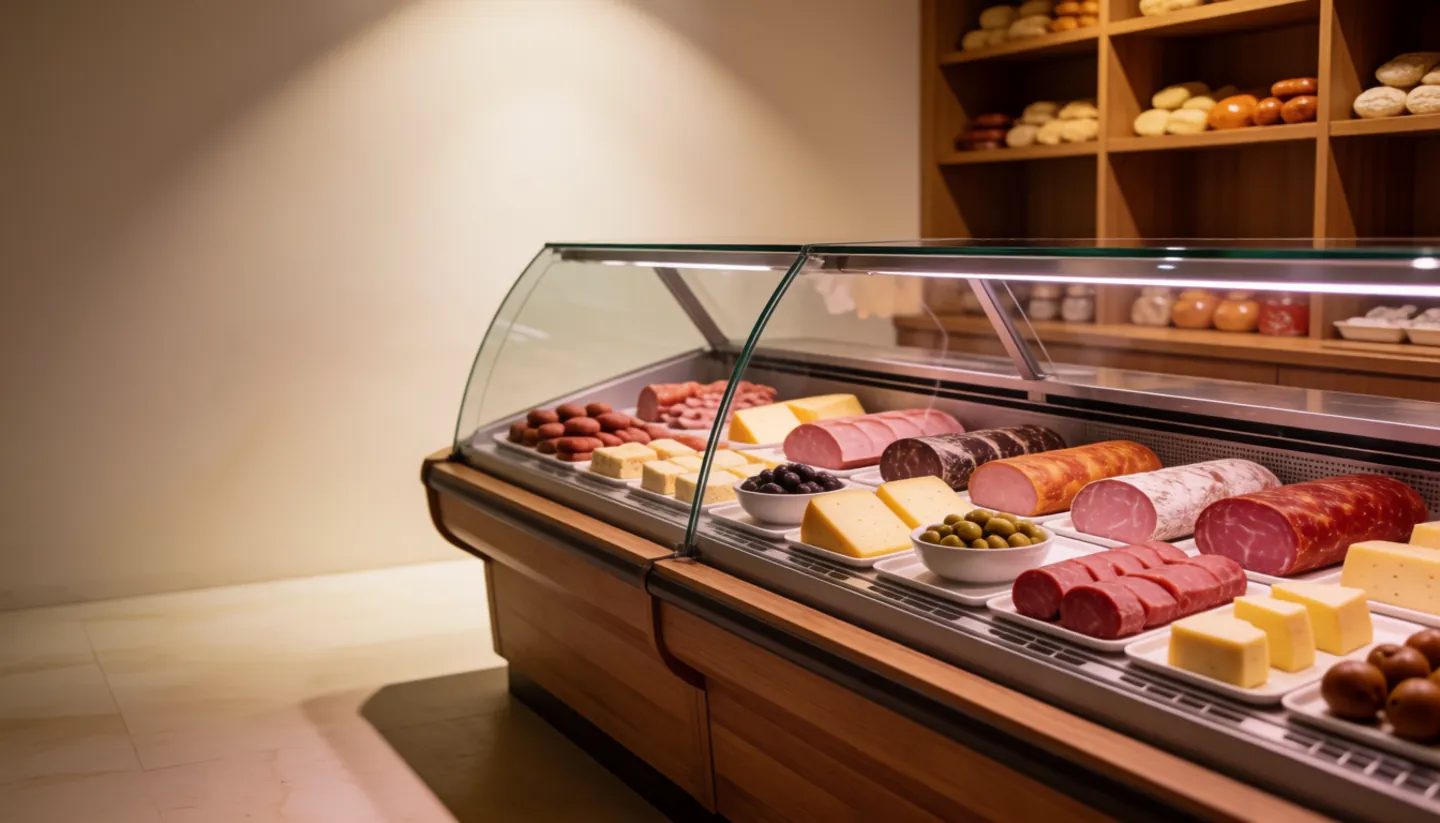
WHAT THE GUIDANCE SAYS
BELOW 5°C and by the use-by
AI-generated image, not a photograph of a real person or place.
Most deli food is eaten just as it comes.
That is what makes it handy, and why UK food safety guidance pays it attention. Listeria is rare, but it can grow at fridge temperatures, and for a few groups of people it can be serious.
THE SHORT ANSWER
Listeriosis is rare and usually mild.
Guidance targets the people it can harm most.
READY-TO-EAT
The FSA says listeria is more common in ready-to-eat foods such as deli meats, pâté and pre-prepared sandwiches, and can grow at low temperatures.
Check a foodCHEESE
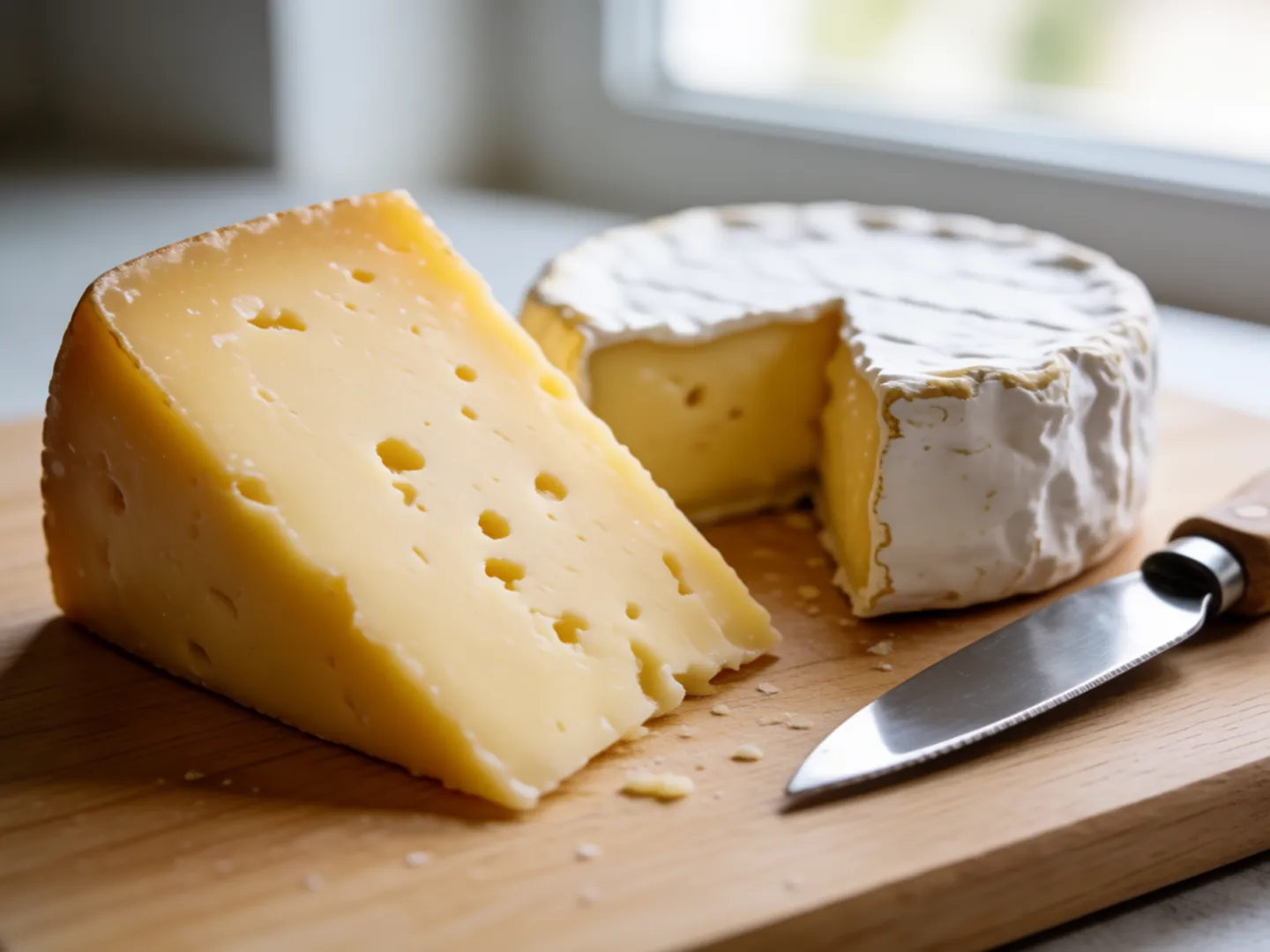
In pregnancy the NHS says hard cheeses are safe, but brie, camembert and soft blue cheeses must be cooked until steaming hot.
Simple stepsSMOKED FISH
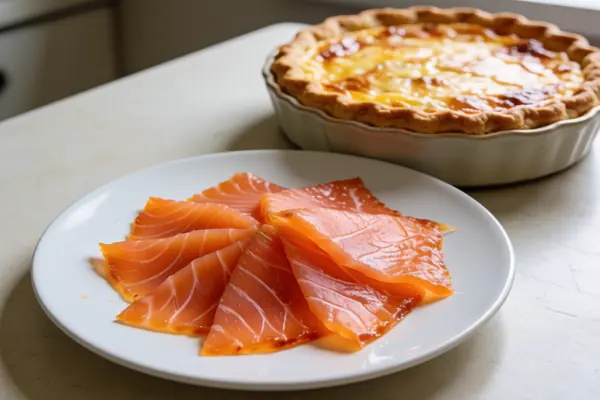
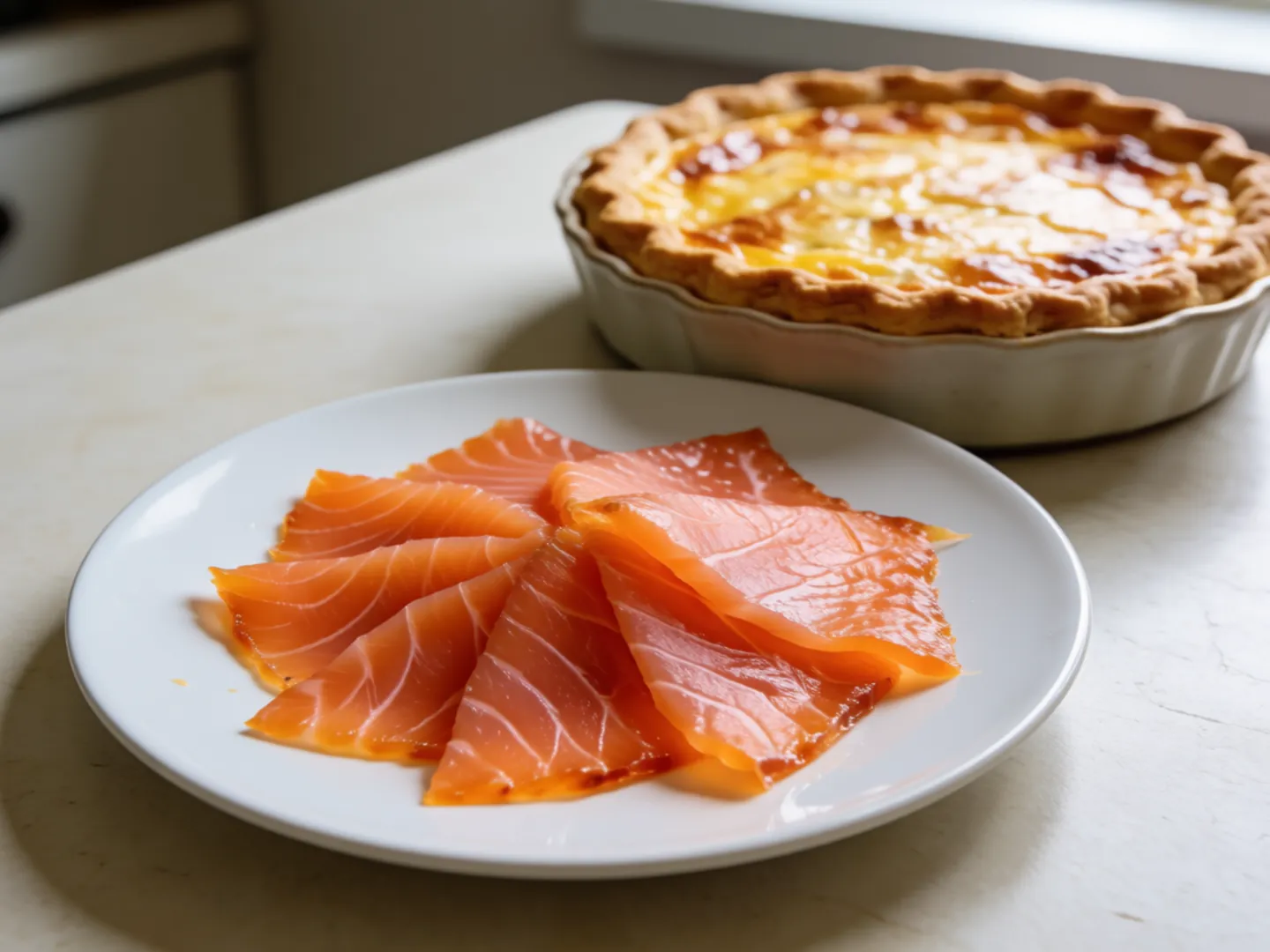
Pregnant women and people with weakened immune systems are advised to avoid ready-to-eat cold-smoked or cured fish unless it is cooked.
See the numbersGeneral information only, not medical advice. For advice about your own health, speak to a doctor, pharmacist or other qualified health professional.
FOUR HABITS FROM THE FSA
Listeria can grow slowly even in the fridge, so the advice is about temperature and time as much as choosing foods.
Chilling below 5°C stops or significantly slows the growth of bacteria including listeria.
Eat ready-to-eat foods within 4 hours of taking them out of the fridge, or 2 hours on a very warm day.
Eat, cook or freeze foods by their use-by date. Without other instructions, use opened foods within two days.
Cooking until steaming hot kills listeria, which is why cooked smoked fish in a quiche or fish pie is a safer choice for higher-risk people.
TWO NUMBERS WORTH KNOWING
UKHSA's latest yearly summary
for England and Wales.
181
Listeriosis cases in England and Wales
UKHSA recorded 181 cases in 2025, against a median of 172 a year from 2016 to 2025. Rates were highest in people aged 80 and over.
CASES · UKHSA 2025
≈ 1 in 5
Share of cases linked to pregnancy
Pregnancy-associated infections were around a fifth of cases, and 31.4% of those with a known outcome ended in stillbirth or miscarriage.
PREGNANCY · UKHSA 2025
UKHSA investigated four listeriosis outbreaks in 2025, including national outbreaks linked to smoked fish and prepacked sandwiches. Symptoms have been reported from 1 to 70 days after eating contaminated food.
A QUICK DELI CHECK
Pick a deli food to see how the NHS guidance on eating in pregnancy treats it. The bar shows how much care it asks for. The same foods matter for people with weakened immune systems.
Based on NHS guidance on foods to avoid in pregnancy (reviewed June 2026) and FSA listeria advice. General information, not medical advice.
WHO IS AT HIGHER RISK
The FSA lists pregnant women and their unborn babies, people with weakened immune systems, including those with cancer, diabetes, liver or kidney disease or on immune-weakening medicines, and older people, whose risk rises with age.
For most people listeriosis causes no symptoms or a mild illness for a few days. The NHS says to ask for an urgent GP appointment or contact NHS 111 if you are pregnant or have a weakened immune system and think you have it.
In conversation
For most people, yes. The FSA lists deli meats such as salami and cold cuts among ready-to-eat foods where listeria is more common, so keep them chilled and eat by the use-by date. In pregnancy, the NHS says to cook cold cured meats until steaming hot.
Only if it is cooked until steaming hot. The NHS says mould-ripened soft cheeses with a white rind, such as brie and camembert, must be thoroughly cooked first.
Cold-smoked fish is cured and smoked at a low temperature but not cooked through. The FSA advises pregnant women and people with weakened immune systems to avoid it ready-to-eat, and suggests cooked smoked fish instead.
It is rare. UKHSA recorded 181 cases in England and Wales in 2025, with the highest rates in people aged 80 and over.
Not completely. Listeria can grow at low temperatures, which is why the FSA advises keeping the fridge below 5°C and eating food by its use-by date.
Each figure on this page comes from the sources below.
ABOUT THIS NAME
doodledelli.com is part of the DoodleSale portfolio. It isn't in an auction right now, but you can ask about leasing it.